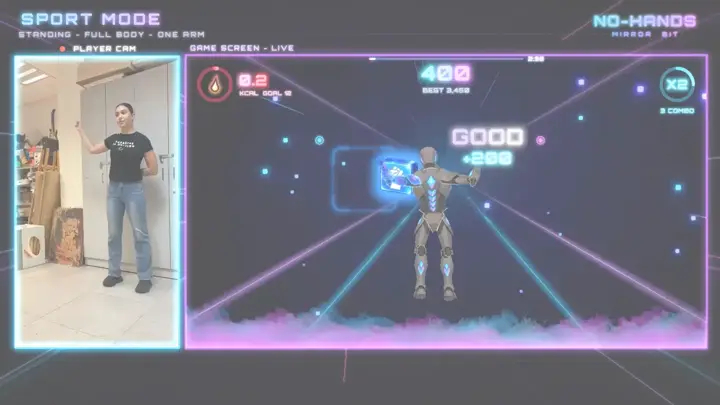
Rehabilitation & movement
Mirror Bit
A limb can keep hurting after amputation. A webcam tracks the intact hand while a mirrored hand plays the rhythm game, giving phantom-limb movement practice a reason to repeat.
THE 2026 SHEBA ARC HEALTHCARE GAME JAM
In October 2026, over 100 game developers arrived at Sheba Hospital. Sheba clinicians had prepared over 40 challenge statements. The game developers broke into teams, collaborating with doctors and nurses at Sheba to solve problems for patients and clinicians alike over a 30-hour Game Jam. The event was held in partnership with GameIS, the Israeli Video Games Industry Association.
Explore the collection ↓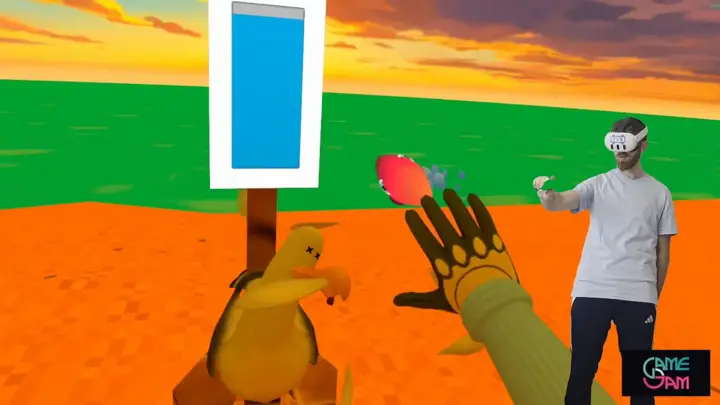
STEP INTO THEIR WORLD / PHANTOM FISH
THE COLLECTION
See the problem, play the game,
and watch the team explain it.
35 playable games
Rehabilitation & movement
A limb can keep hurting after amputation. A webcam tracks the intact hand while a mirrored hand plays the rhythm game, giving phantom-limb movement practice a reason to repeat.
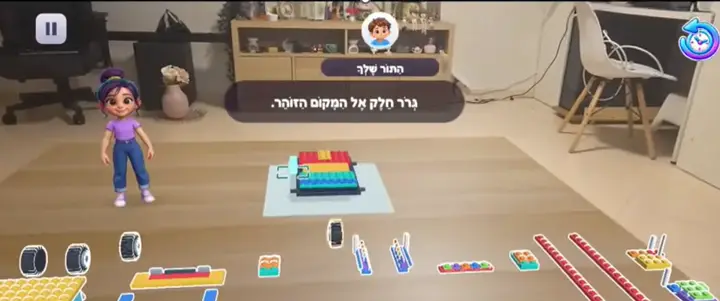
Social & emotional skills
Taking turns does not always go as planned. Build a car with Lily, an augmented-reality companion, then rewind and try another response when cooperation gets difficult.
Rehabilitation & movement
An amputated limb can still hurt. Catch flying fish on a virtual beach while the game switches between real and mirrored hands, turning phantom-limb movement practice into play.
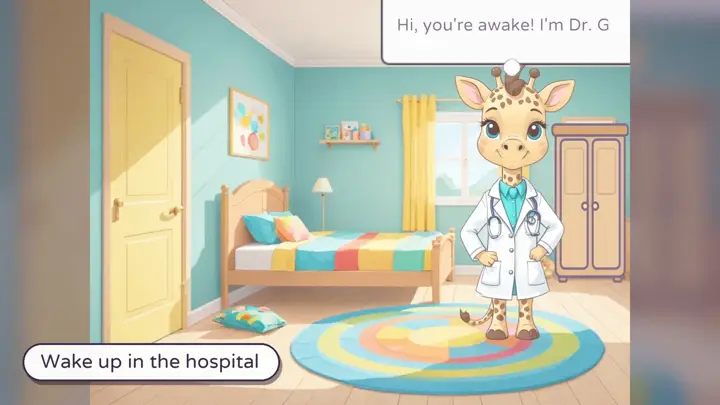
Preparing children for procedures
A child in a burn unit may not understand the procedures or see healing beneath the bandages. Explore a game-world hospital that explains what is happening through characters and minigames.
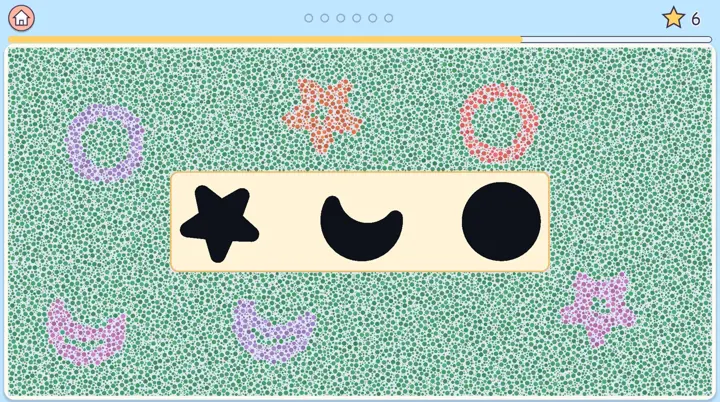
Vision & balance testing
In one preschool study, 83% of children aged 30–36 months could not complete the color-vision testing protocol. Find shapes hidden in colored dots instead, turning the task into a game for toddlers.
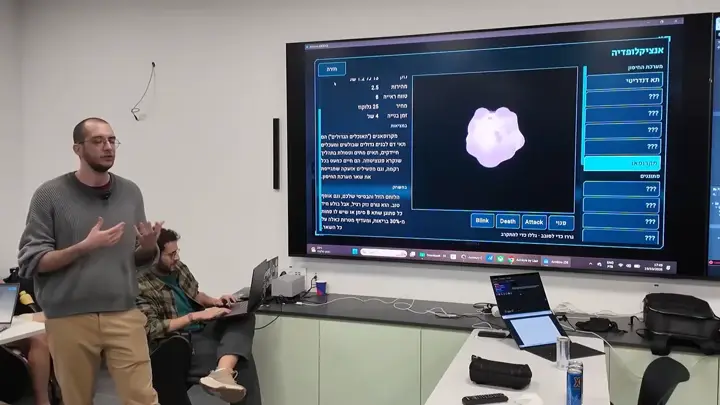
Medical science education
The immune system is a system to understand, not a list of cells to memorize. Command it in a real-time strategy game: gather glucose, deploy immune cells and fight an infection.
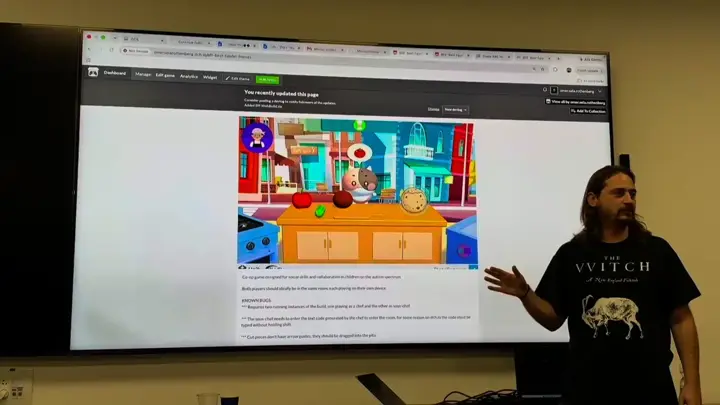
Social & emotional skills
Taking turns and coordinating with another person can be difficult for children on the autism spectrum. Run a falafel stand together: one player is the chef, the other the sous-chef.
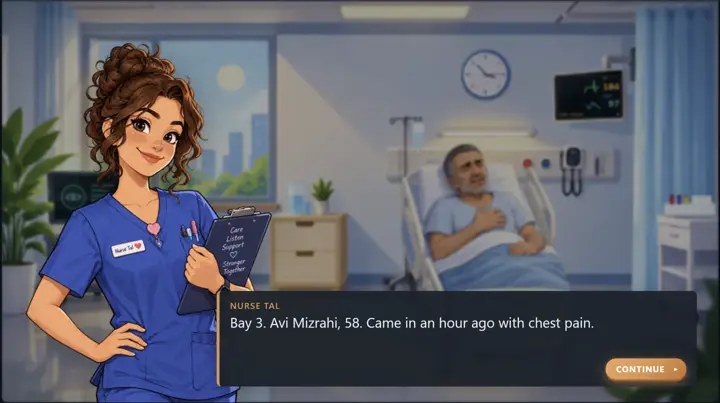
Clinical training & systems
Doctors need to understand when to trust an AI recommendation. Play through clinical cases, look under the hood and see what changes when a patient is poorly represented in the training data.
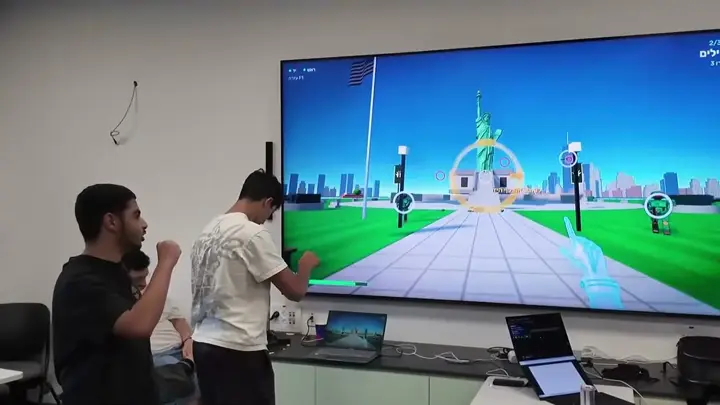
Rehabilitation & movement
Wrist and thumb rehabilitation means repeating controlled movements between appointments. Here, those movements smash landmarks. A webcam turns the patient’s hand into the game controller.
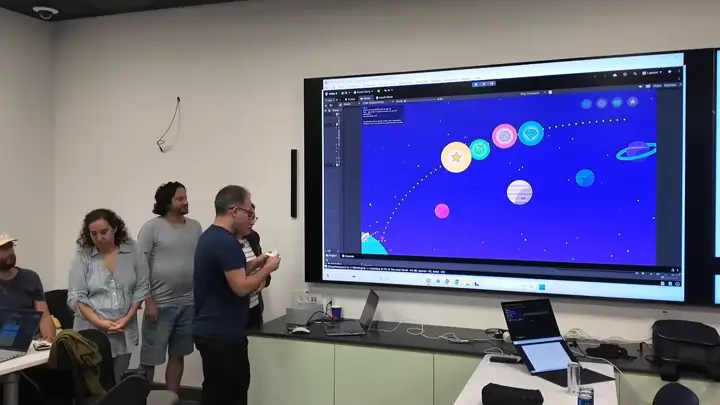
Breathing & lung testing
A usable spirometry test needs the right breath, not just any breath. Inhale, launch a spaceship with a strong blow and keep blowing to travel farther.
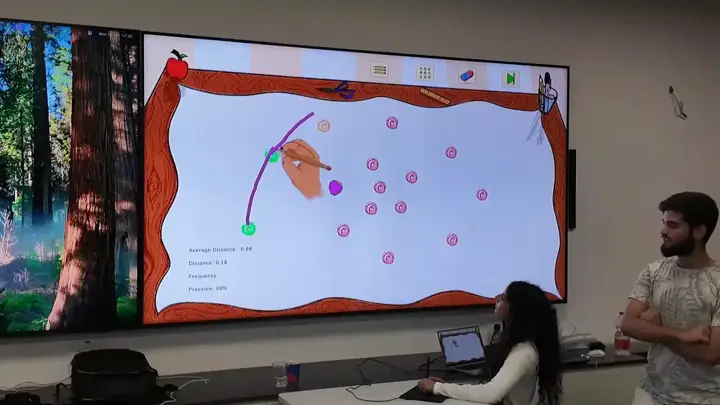
Tremor measurement
During brain treatment for tremor, clinicians need to track changes in the patient’s movement. Trace shapes and connect dots while the game records how the hand moves.
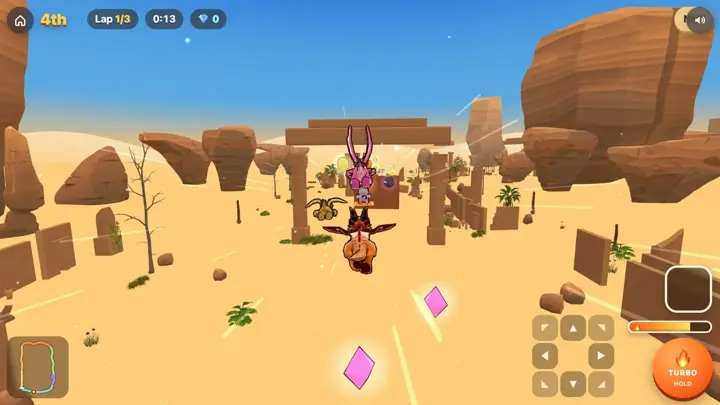
Breathing & lung testing
Spirometry is uncomfortable, repetitive and easy to get wrong. Breathe in to power up a dragon, then breathe out fire: the breath becomes the action, rather than another instruction to follow.
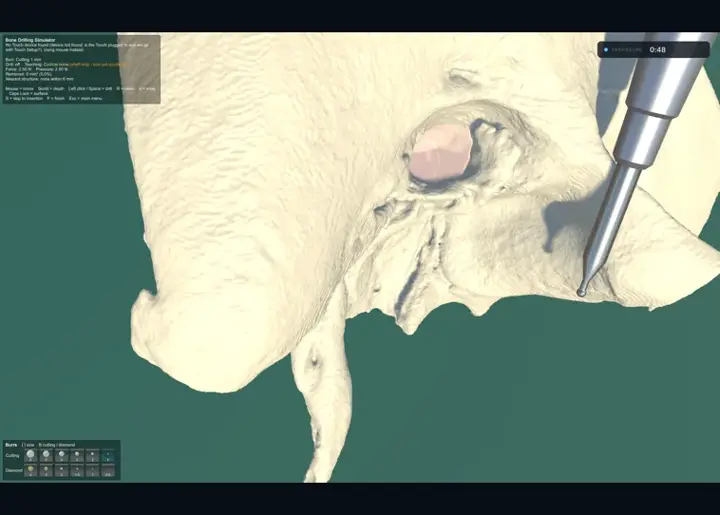
Surgical & operating-room training
ENT surgeons need practice drilling around structures they cannot afford to damage. Explore temporal-bone anatomy with a virtual drill and rehearse the procedure before doing it on a patient.
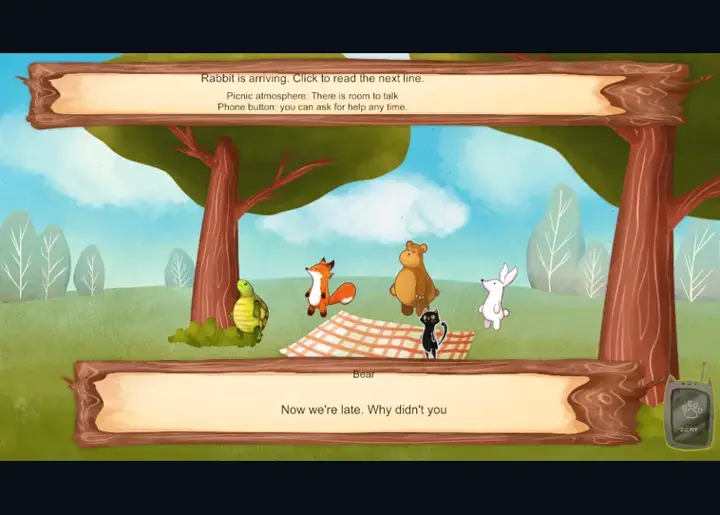
Social & emotional skills
Recognizing feelings and finding a way forward together take practice. Join animal characters on a story adventure that gives children a setting to explore emotions and social choices.
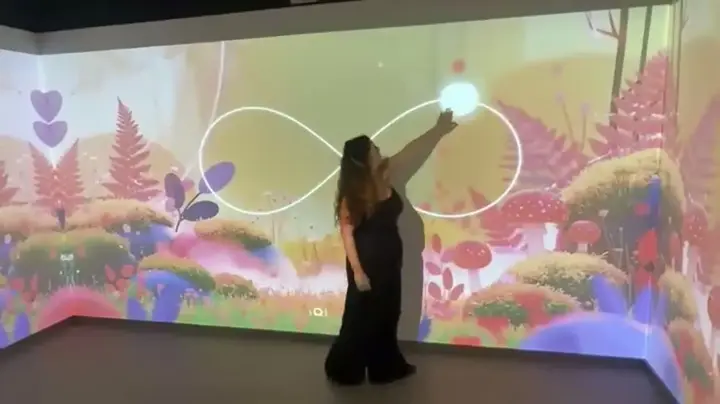
Rehabilitation & movement
Fibromyalgia can make movement difficult to sustain. An immersive garden responds to slow, gentle activity, combining movement practice with mindfulness.
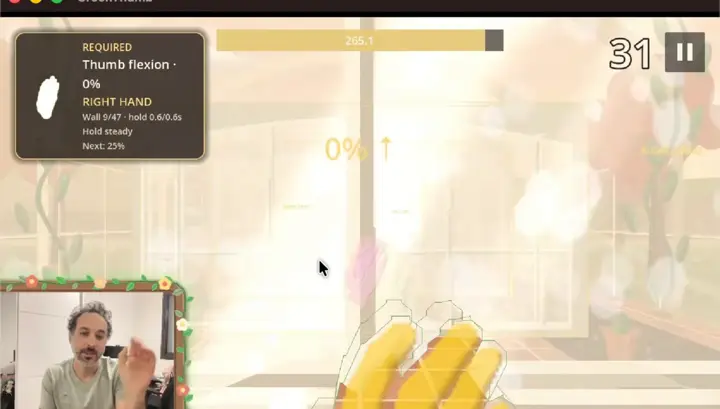
Rehabilitation & movement
De Quervain’s causes pain around the thumb tendons. Follow a rhythm with controlled hand gestures while a webcam tracks the movements, turning home rehabilitation into something you can play.
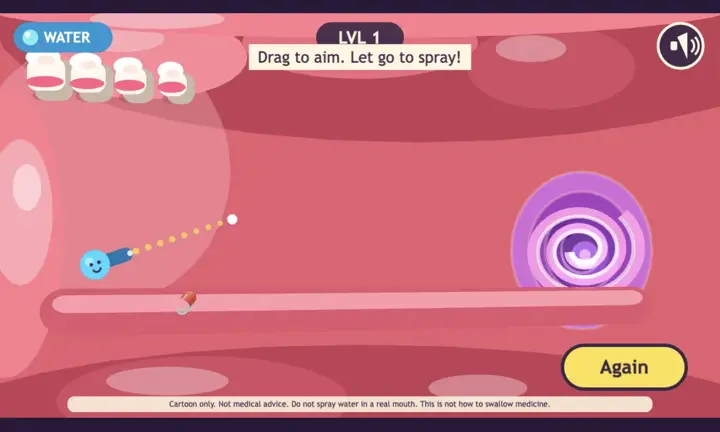
Medication & pill swallowing
Learning to swallow pills can be stressful. Help a cartoon monster by aiming water past a wiggly tongue, turning the theme into a short, repeatable game.
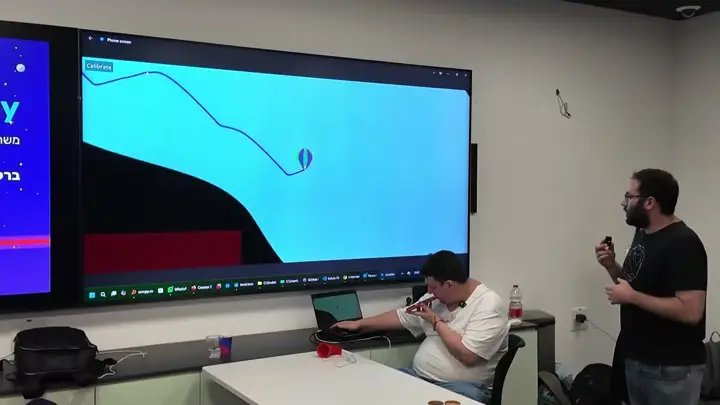
Pain & coping
Children need ways to practice calming themselves when stressed. Breathe out to lift a hot-air balloon, avoid obstacles and make breathing part of the game.
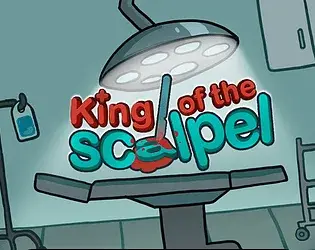
Surgical & operating-room training
New operating-room staff have to recognize surgical instruments quickly. Find the right objects in a hospital scene and practice visual search through a hidden-object game.
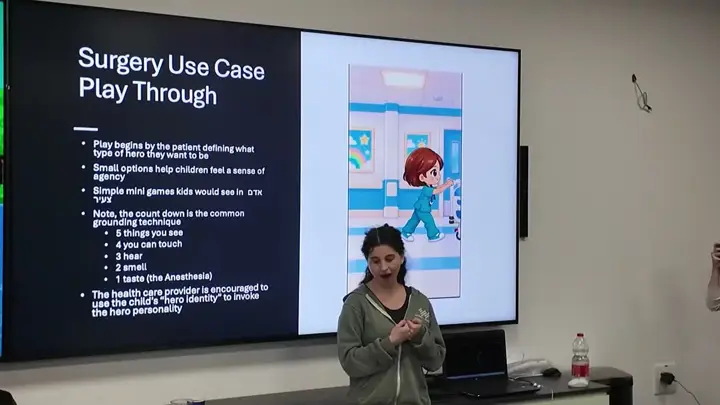
Preparing children for procedures
A child facing surgery or a blood draw may not know what to expect. Step into a hero’s role, rehearse the appointment and practice ways to handle the unfamiliar moments.
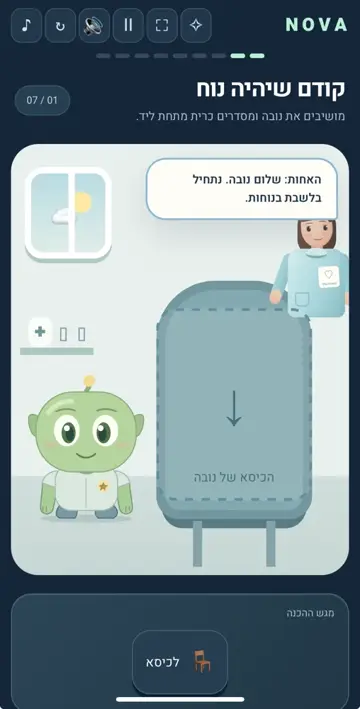
Preparing children for procedures
A first blood test can be frightening when every step is unfamiliar. Help a friendly alien through the experience, exploring the procedure through touch and play.
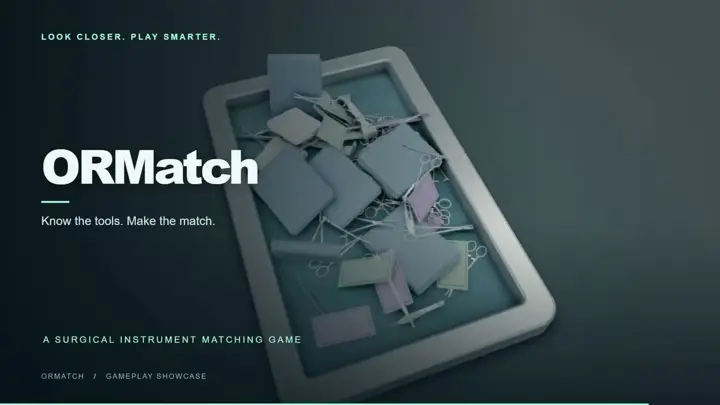
Surgical & operating-room training
New OR nurses have to tell look-alike instruments apart. Search a heaped tray of 3D tools, find three of a kind, and lift and rotate a piece to study the details.
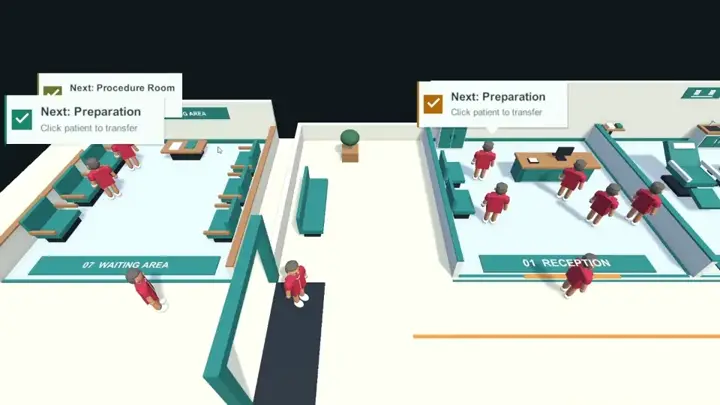
Clinical training & systems
In a busy pain clinic, patients, staff and treatment rooms all depend on one another. Run the clinic as a game and see how decisions change the flow.
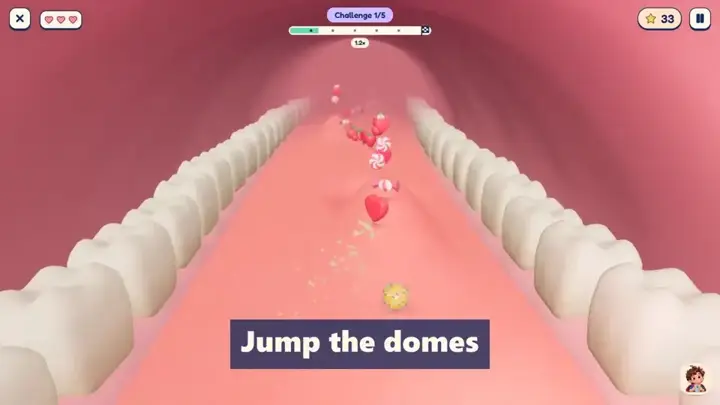
Medication & pill swallowing
For a child who cannot swallow a pill, taking medication can become an ordeal. Turn the subject into an adventure with obstacles, rewards and illustrated preparation stories.
Medication & pill swallowing
Taking medication on time is a routine children have to learn. Match objects, rescue bears and connect progress in a game with the medication routine in the team’s Pill Heroes concept.
Rehabilitation & movement
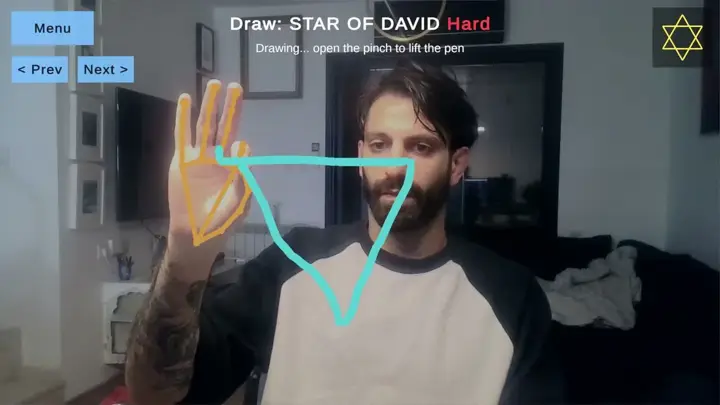
Phantom limb pain can persist after amputation. Trace symbols and mirror hand gestures in an XR game designed to give motor-imagery practice more variety and feedback.
Vision & balance testing
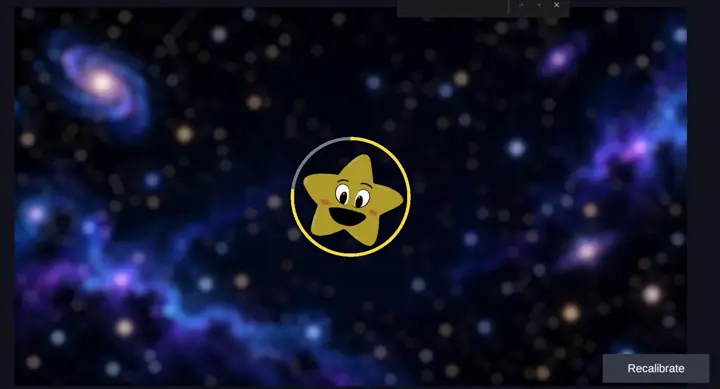
A vestibular examination needs a child to keep looking at a target. Give that target a mission: follow a star and keep the game going while the clinician observes eye movement.
Pain & coping
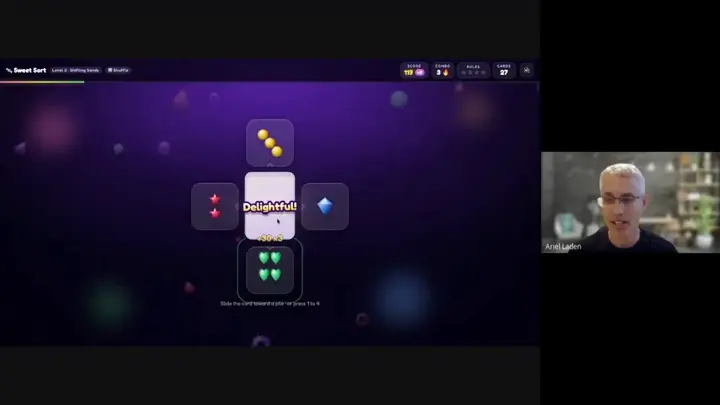
Chronic-pain researchers want ways to practice switching strategies. Sort sweets, discover the rule and adapt when it changes: cognitive flexibility becomes the game.

Pain & coping
For people with PTSD, inward-focused meditation can be difficult, and therapists may lose contact between sessions. The Balance Wave proposes an open-eye rhythm game for everyday grounding, with adaptive biofeedback and remote monitoring for clinicians.

Social & emotional skills
Planning, reading another person’s feelings and speaking up take practice. Get ready for a sailing trip, make decisions and handle the social moments along the way.
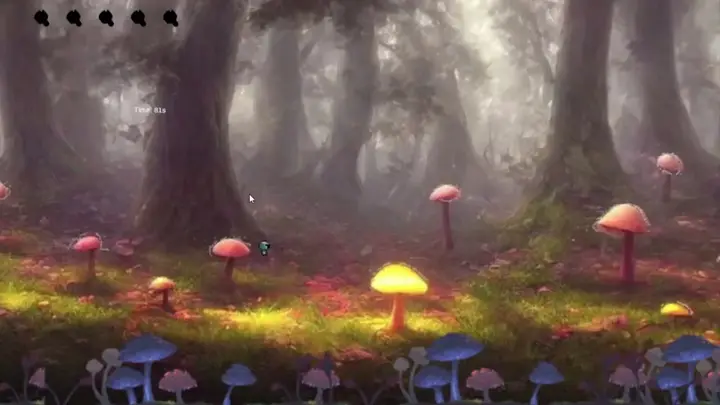
Attention & behavioral assessment
Attention difficulties can go unnoticed before a child reaches assessment. Explore a fantasy adventure while gameplay records responses to memory, attention and impulse-control challenges.
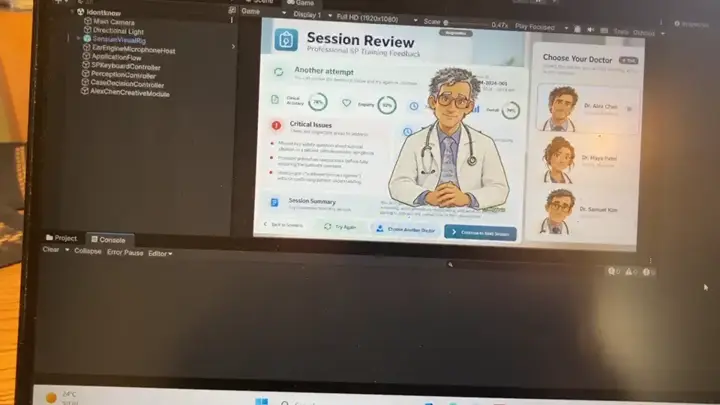
Clinical training & systems
Clinical conversations are skills to practice, not scripts to memorize. Work through a medical roleplay scenario and review how the conversation went.
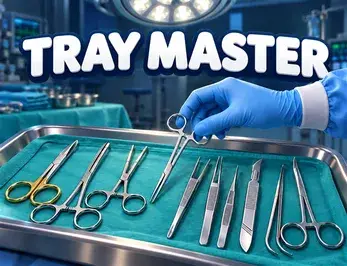
Surgical & operating-room training
Operating-room teams have to know which instruments belong in a tray. Practice assembling trays through short, repeatable challenges, in the format of a language-learning game.
Originally Tray Call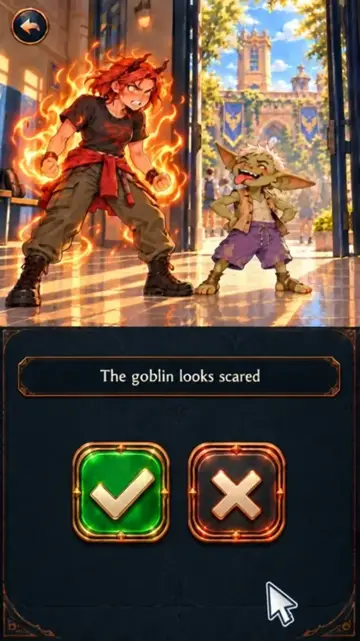
Attention & behavioral assessment
Clinicians need to understand how a young person responds to choices and uncertainty. A story-driven game gives those behaviors a setting to emerge through play.
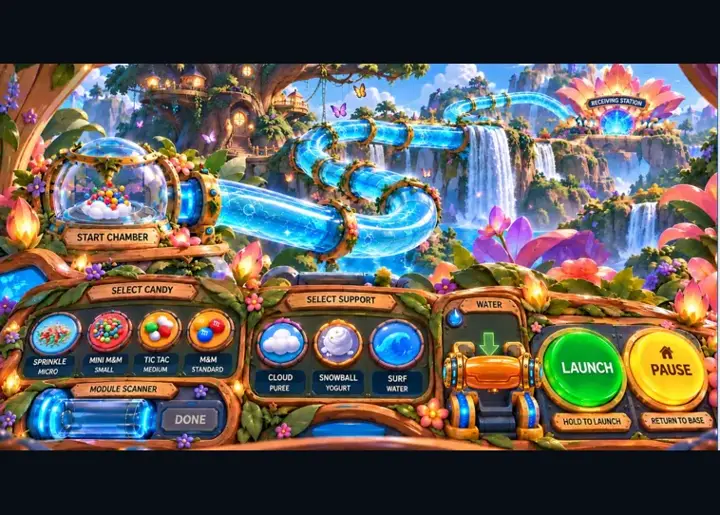
Medication & pill swallowing
A child may be able to swallow medication and still refuse it. Glide Mission gives the child control: choose supports and guide water through a puzzle course.
No projects match yet. Try a different word or theme.
THE START OF SOMETHING
Play the games and watch the teams explain them.